

Comprehensive Study Guide: Prophetic History & Living Ordinances
## 1. Learning Objectives & Core Themes
This guide explores the historical and theological continuity between Old Testament predictions, New Testament fulfillments, and the practical execution of community ordinances.
## Core Learning Objectives
* Analyze Historical Continuity: Chart the geometric, genealogical, and circumstantial alignment between prophetic source texts and historical records.
* Distinguish Symbols from Realities: Define the structural transition from symbolic shadows (Old Covenant) into active communal ordinances (New Covenant). [1]
* Execute Orderly Compliance: Implement reproducible baseline steps to facilitate Water Baptism and the Lord’s Supper within local communities safely and respectfully.
## Study Methodology Tip
For maximum group engagement, alternate readers between the Old Testament column and the New Testament column when reviewing history. Use the cross-references provided to verify how scripture explains scripture.
[2, 3]
## 2. Prophetic History: Lineage, Birth, and Public Ministry
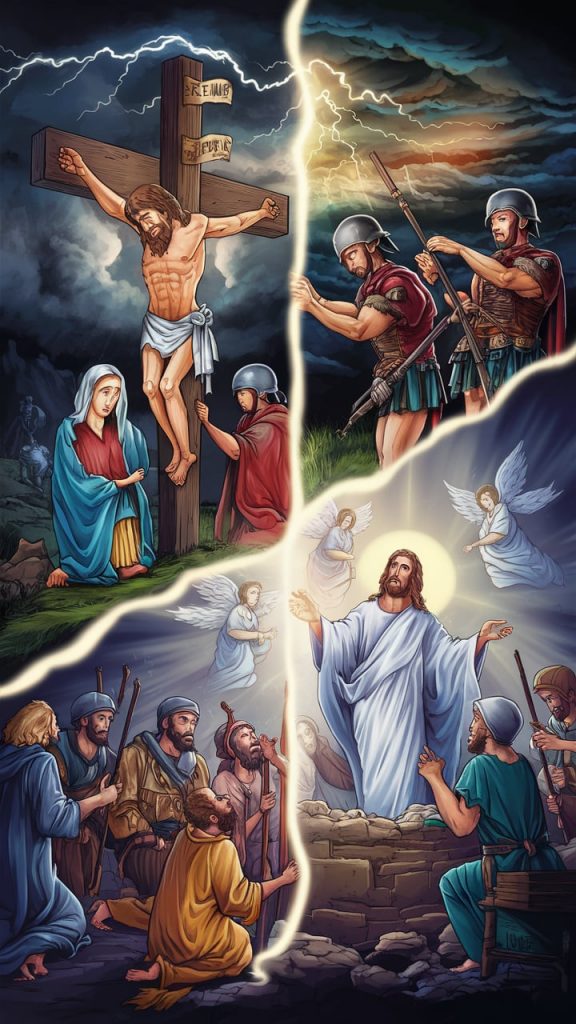
When gave up the ghost after his crucifixion the Upper chamber temple curtain tore into two

[Isaiah 9:6,Isaiah 52:7,Isaiah 53:5,Micah 5:5,Luke 1:79,John …](https://www.biblegateway.com/passage/?search=Isaiah%209%3A6%2CIsaiah%2052%3A7%2CIsaiah%2053%3A5%2CMicah%205%3A5%2CLuke%201%3A79%2CJohn%2014%3A27%2CRomans%205%3A1%2CEphesians%202%3A14%2CEphesians%202%3A17&version=NIV)
[Micah 5:2,Isaiah 7:14,Isaiah 9:1-7 NIV – “But you, Bethlehem …](https://www.biblegateway.com/passage/?search=Micah%205%3A2%2CIsaiah%207%3A14%2CIsaiah%209%3A1-7&version=NIV)
[Isaiah 9:6,Isaiah 52:7,Isaiah 53:5,Micah 5:5,Luke 1:79,John …](https://www.biblegateway.com/passage/?search=Isaiah%209%3A6%2CIsaiah%2052%3A7%2CIsaiah%2053%3A5%2CMicah%205%3A5%2CLuke%201%3A79%2CJohn%2014%3A27%2CRomans%205%3A1%2CEphesians%202%3A14%2CEphesians%202%3A17&version=NIV)
The early phases of Jesus’s life on earth established his compliance with structural requirements regarding ancestry, geography, and specific actions.
| Phase / Theme | Old Testament Prophecy | New Testament Fulfillment | Textual Reference |
|—|—|—|—|
| The Royal Ancestry | Jeremiah 23:5: A righteous “Branch” promised from the royal line of King David. | Matthew 1:1: The genealogy establishes the lineage tracing back to David and Abraham. | View Lineage Data[](https://www.biblegateway.com/passage/?search=Deuteronomy%2018%3A18%2CIsaiah%207%3A14%2CMicah%205%3A2%2CIsaiah%2011%3A1-2%2CIsaiah%209%3A2-7%2CLuke%201%3A26-37%2CLuke%202%3A1-11%2CIsaiah%209%3A9%2CIsaiah%2053%3A3-9%2C1%20Corinthians%2015%3A51-57%2CRomans%206%3A23%2C1%20Corinthians%2015%3A22%2CMatthew%2028%3A1-6%2CPsalm%2016%3A10%2CPhilippians%202%3A9-11%2CRevelation%205%3A12%2C1%20Corinthians%2015%3A20-22%2C1%20Corinthians%2015%3A55-57%2CLuke%202%3A14%2CIsaiah%2048%3A22%2CIsaiah%2057%3A21%2CIsaiah%2053%3A6%2CIsaiah%209%3A6%2CIsaiah%2011%3A6-8&version=KJV) |
| The Geographic Location | Micah 5:2: The ruler of Israel, with ancient origins, foretold to come from Bethlehem Ephrathah. | Matthew 2:1: Historical record confirms birth occurred in Bethlehem of Judea under King Herod. | View Location Data[](https://www.biblegateway.com/passage/?search=Isaiah%207%3A14%2CIsaiah%209%3A6-7%2CIsaiah%2042%3A1-3%2CIsaiah%2053%2CPsalm%2022%2CPsalm%2089%3A24-29%2CPsalm%20110%3A1-4%2CHosea%206%3A1-2%2C1%20Chronicles%2017%3A11-15%2CMicah%205%3A2%2CDaniel%209%3A24-26%2CZechariah%2011%3A7-13&version=ESV) |
| The Supernatural Conception | Isaiah 7:14: A sign given where a virgin conceives, bears a son, and names him Immanuel. | Luke 1:34-35: Mary is informed that the Holy Spirit will overshadow her for a miraculous birth. | View Nativity Context |
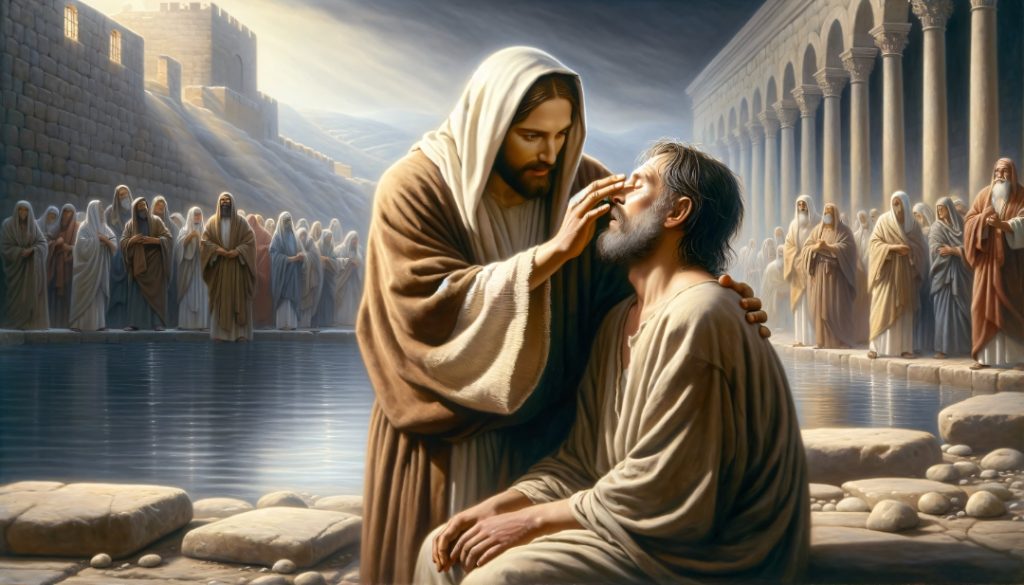
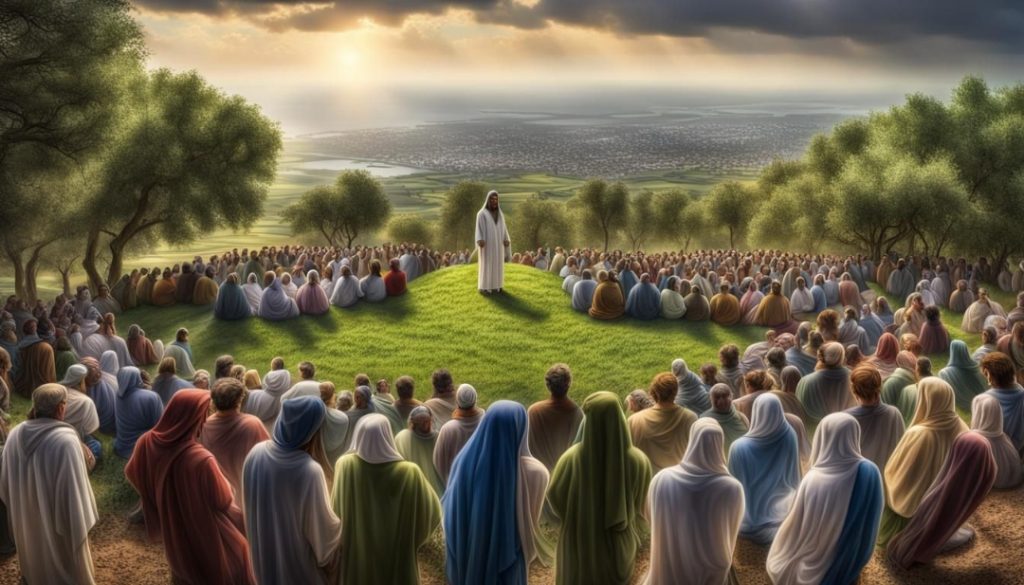
| The Message to the Broken | Isaiah 61:1: The Messiah is anointed to preach good news to the poor and bind up the brokenhearted. | Luke 4:18-21: Jesus reads this exact scroll in the synagogue, declaring its real-time fulfillment. | View Historical Sermon[](https://upload.wikimedia.org/wikipedia/commons/d/d1/Meditations_on_the_Passion_of_our_Lord_Jesus_Christ%2C_according_to_the_four_Evangelists_by_the_Abbot_of_Monte_Cassino_%28i.e._C.M._de_Vera%29_%28IA_MeditationsOnThePassion%29.pdf) |
| The Supernatural Healing | Isaiah 35:5-6: Prediction that eyes of the blind will open, deaf ears unstop, and the lame leap. | Matthew 11:4-5: Witnesses instructed to report sight restored, the lame walking, and dead raised. | View Ministry Signatures[](https://www.biblegateway.com/passage/?search=Isaiah%2053%3A5%2CMicah%205%3A2%2CMatthew%204%3A4%2CMatthew%2022%3A29%2CJohn%205%3A39%2CJohn%2010%3A35&version=NIV) |
| The Location of the Light | Isaiah 9:1-2: A great light projected to dawn on darkness within Zebulun, Naphtali, and Galilee. | Matthew 4:13-16: Ministry headquarters intentionally transferred to Capernaum to match the specified terrain. | View Geographic Context[](https://www.biblegateway.com/passage/?search=Deuteronomy%2018%3A18%2CIsaiah%207%3A14%2CMicah%205%3A2%2CIsaiah%2011%3A1-2%2CIsaiah%209%3A2-7%2CLuke%201%3A26-37%2CLuke%202%3A1-11%2CIsaiah%209%3A9%2CIsaiah%2053%3A3-9%2C1%20Corinthians%2015%3A51-57%2CRomans%206%3A23%2C1%20Corinthians%2015%3A22%2CMatthew%2028%3A1-6%2CPsalm%2016%3A10%2CPhilippians%202%3A9-11%2CRevelation%205%3A12%2C1%20Corinthians%2015%3A20-22%2C1%20Corinthians%2015%3A55-57%2CLuke%202%3A14%2CIsaiah%2048%3A22%2CIsaiah%2057%3A21%2CIsaiah%2053%3A6%2CIsaiah%209%3A6%2CIsaiah%2011%3A6-8&version=KJV) |
## 3. Prophetic History: Suffering, Death, and Triumph
[File:Washington Manuscript I – Deuteronomy and Joshua (Codex …](https://commons.wikimedia.org/wiki/File:Washington_Manuscript_I_-_Deuteronomy_and_Joshua_%28Codex_Washingtonensis%29.jpg)
[File:Washington Manuscript III – The Four Gospels (Codex …](https://commons.wikimedia.org/wiki/File:Washington_Manuscript_III_-_The_Four_Gospels_%28Codex_Washingtonensis%29.jpg)
[File:Washington Manuscript II – The Psalms (Codex …](https://commons.wikimedia.org/wiki/File:Washington_Manuscript_II_-_The_Psalms_%28Codex_Washingtonensis%29.jpg)
The resolution of prophetic history occurred through specific details tracking execution methodology, burial arrangements, and subsequent physical restoration.
| Phase / Theme | Old Testament Prophecy | New Testament Fulfillment | Textual Reference |
|—|—|—|—|
| The Price of Betrayal | Zechariah 11:12: Explicit valuation of wages established at thirty pieces of silver. | Matthew 26:14-15: Judas Iscariot covenants with chief priests for that identical sum. | View Betrayal Records[](https://www.biblegateway.com/passage/?search=Isaiah%207%3A14%2CIsaiah%209%3A6-7%2CIsaiah%2042%3A1-3%2CIsaiah%2053%2CPsalm%2022%2CPsalm%2089%3A24-29%2CPsalm%20110%3A1-4%2CHosea%206%3A1-2%2C1%20Chronicles%2017%3A11-15%2CMicah%205%3A2%2CDaniel%209%3A24-26%2CZechariah%2011%3A7-13&version=ESV) |
| The Method of Execution | Psalm 22:16: Description of hands and feet being pierced, recorded before crucifixion was common. | John 20:25: Wounding verified post-resurrection by physical inspection of nail marks. | View Crucifixion Records[](https://www.biblegateway.com/passage/?search=Isaiah%207%3A14%2CIsaiah%209%3A6-7%2CIsaiah%2042%3A1-3%2CIsaiah%2053%2CPsalm%2022%2CPsalm%2089%3A24-29%2CPsalm%20110%3A1-4%2CHosea%206%3A1-2%2C1%20Chronicles%2017%3A11-15%2CMicah%205%3A2%2CDaniel%209%3A24-26%2CZechariah%2011%3A7-13&version=ESV) |
| Silence Before Accusers | Isaiah 53:7: The servant remains uncommunicative under pressure, like a lamb led to slaughter. | Matthew 27:12: Jesus provides no answers or verbal defense to the chief priests. | View Isaiah 53 Text[](https://www.biblegateway.com/passage/?search=Isaiah%2053&version=NKJV) |
| Burial with the Wealthy | Isaiah 53:9: Assigned a final resting space alongside a rich individual in death. | Matthew 27:57-60: Joseph of Arimathea (a rich man) secures the body and places it in his new tomb. | View Burial Records[](https://www.biblegateway.com/passage/?search=Isaiah%2053&version=NKJV) |
| Overcoming the Grave | Psalm 16:10: Decree that the Holy One would not be abandoned to decay or the realm of the dead. | Acts 2:31-32: Historical declaration that Christ was physically raised up by God without structural decay. | View Resurrection Data[](https://www.biblegateway.com/passage/?search=Deuteronomy%2018%3A18%2CIsaiah%207%3A14%2CMicah%205%3A2%2CIsaiah%2011%3A1-2%2CIsaiah%209%3A2-7%2CLuke%201%3A26-37%2CLuke%202%3A1-11%2CIsaiah%209%3A9%2CIsaiah%2053%3A3-9%2C1%20Corinthians%2015%3A51-57%2CRomans%206%3A23%2C1%20Corinthians%2015%3A22%2CMatthew%2028%3A1-6%2CPsalm%2016%3A10%2CPhilippians%202%3A9-11%2CRevelation%205%3A12%2C1%20Corinthians%2015%3A20-22%2C1%20Corinthians%2015%3A55-57%2CLuke%202%3A14%2CIsaiah%2048%3A22%2CIsaiah%2057%3A21%2CIsaiah%2053%3A6%2CIsaiah%209%3A6%2CIsaiah%2011%3A6-8&version=KJV) |
| Exaltation to Authority | Psalm 110:1: Operational directive to sit at the right hand of power. | Hebrews 1:3: Seated permanently at the right hand of the Majesty in heaven after sin purification. | View Ascension Data[](https://www.biblegateway.com/passage/?search=Isaiah%207%3A14%2CIsaiah%209%3A6-7%2CIsaiah%2042%3A1-3%2CIsaiah%2053%2CPsalm%2022%2CPsalm%2089%3A24-29%2CPsalm%20110%3A1-4%2CHosea%206%3A1-2%2C1%20Chronicles%2017%3A11-15%2CMicah%205%3A2%2CDaniel%209%3A24-26%2CZechariah%2011%3A7-13&version=ESV) |
| | | | |
## 4. The Covenant Shift: From Shadows to Living Ordinances
Understanding the mechanics of the New Covenant requires separating human traditions from divinely instituted practices. Jesus effectively terminated the preparatory rituals of the Old Covenant by fulfilling them, transitioning symbolic shadows into communal realities. [4]
## The Structural Shift
* Ritual Cleanings / Red Sea Crossing $\rightarrow$ Water Baptism: Transitioned from repetitive washings into a single, comprehensive public step of personal identity. [5]
* The Passover Lamb Sacrifice $\rightarrow$ The Lord’s Supper: Transitioned from a forward-looking sacrificial meal into an ongoing corporate remembrance of a completed sacrifice. [6]
## Why New Covenant Ordinances Stand Apart from Human Tradition
1. Divine Authority: These practices are directly commanded by Jesus in historical texts, rather than developing gradually out of cultural adaptations or church governance over time. [4]
2. Fixed Symbolic Elements: The symbols utilized (immersion in water, unleavened loaf, cup) are anchored to real historical actions. [5, 7]
3. Internal Faith Integration: They do not serve as mechanical tools for physical cleaning, civic record keeping, or merit accrual; they operate purely as corporate reflections of individual faith.
[8, 9]
## 5. Practical Ordinance Guide: Water Baptism in the Community
[Category:Baptism – Wikimedia Commons](https://commons.wikimedia.org/wiki/Category:Baptism)
[File:Baptism at Eastside Christian Church.jpg – Wikimedia Commons](https://commons.wikimedia.org/wiki/File:Baptism_at_Eastside_Christian_Church.jpg)
[File:Baptism at Eastside Christian Church2018.jpg – Wikimedia …](https://commons.wikimedia.org/wiki/File:Baptism_at_Eastside_Christian_Church2018.jpg)
Local communities must execute Water Baptism with structured clarity to emphasize its public, symbolic function. This process outlines the standard, orderly steps required for community observation. [5]
[Candidate Confession] –> [Public Exposition] –> [Full Immersion] –> [Community Welcome]
## Actionable Implementation Steps
* Step 1: Verify Personal Confession
Ensure the candidate has articulated an explicit personal faith in Christ prior to scheduling the event. This practice preserves the biblical ordering of discipleship preceding public marking.
* Step 2: Provide Public Gospel Exposition
Before entering the water, the leader should read aloud standard texts such as Romans 6:4. Explain clearly to those watching that the action represents a physical reenactment of burial and resurrection, entirely distinct from washing away physical dirt.
* Step 3: Perform Orderly Full Immersion
Using a safe natural body of water or dedicated pool, fully submerge the candidate. Submersion mirrors the historical pattern of complete burial with Christ, followed immediately by lifting them out to symbolize a new lifestyle.
* Step 4: Formalize the Corporate Greeting
Conclude the step with a formal announcement welcoming the individual into the localized expression of the global church body. This reinforces mutual accountability and public celebration.
[4, 5, 8, 10, 11]
## 6. Practical Ordinance Guide: The Lord’s Supper in the Community
[File:Bible and Lord’s Cup and Bread.JPG – Wikimedia Commons](https://commons.wikimedia.org/wiki/File:Bible_and_Lord%27s_Cup_and_Bread.JPG)
[File:Lord’s cup and Bread.JPG – Wikimedia Commons](https://commons.wikimedia.org/wiki/File:Lord%27s_cup_and_Bread.JPG)
[File:Communion cool.jpg – Wikimedia Commons](https://commons.wikimedia.org/wiki/File:Communion_cool.jpg)
Observing the Lord’s Supper (Communion) requires careful structural parameters to prevent the meeting from turning into an unstructured social meal or an empty, unexamined human ritual. [9, 12]
## Actionable Implementation Steps
* Step 1: Enforce a Period of Self-Examination
Prior to distributing elements, direct a deliberate period of silence. Instruct participants to inspect their actions, confess hidden faults, and resolve inter-relational conflicts within the group to ensure they do not partake unworthily.
* Step 2: Read the Historical Institution Text
The facilitator must read aloud standard structural texts, specifically [1 Corinthians 11:23-26](https://www.biblegateway.com/passage/?search=1%20Corinthians%2011%3A23-26%2CLuke%2022%3A19-20&version=NIV). This action grounds the current observation directly back to the night Jesus was betrayed.
* Step 3: Distribute the Loaf (The Body)
Pass around bread (preferably simple unleavened varieties to align with historical Passover patterns). Instruct the community to break and eat it together as a singular, unified statement acknowledging the broken body of Christ.
* Step 4: Distribute the Cup (The Blood)
Pass around the shared cup or individual distributions containing the fruit of the vine. Drink simultaneously to explicitly proclaim the ratification of the New Covenant through shed blood.
* Step 5: Maintain Regular Group Rhythm
Organize this practice consistently (weekly, monthly, or quarterly) so that the sacrifice remains the focal point of community assembly, protected from cultural drift.
[6, 7, 9, 12, 13, 14]
## 7. Glossary and Discussion Framework## Terminology Reference
* Ordinance: A specific symbolic practice formally instituted and commanded by Jesus Christ himself, designed to be observed continuously by his followers.
* Covenant Shadow: A historical ritual pattern (such as the slaughter of a physical Passover lamb) that prefigured and pointed directly toward a future permanent reality.
* Self-Examination: The active process of testing one’s motives, behaviors, and relationships before participating in community communion to preserve corporate unity. [4, 6, 7, 9, 12, 13]
## Small Group Discussion Questions
1. How does tracking specific geographic details (like Bethlehem or Galilee) validate the historical trustworthiness of biblical prophecy?
2. What are the practical dangers to a community if Water Baptism is treated as a routine custom or a human social milestone rather than a public confession of faith?
3. In what ways does enforcing a time of internal self-examination directly combat corporate divisions or relational breakdowns inside a local group?
[8, 12, 13]
 COPYRIGHT NOTICE & DISTRIBUTION RESTRICTIONS:© 2026 Leonard Koblah Gikunoo / Legend Log. All Rights Reserved. This document is the official, original biographical research published by the author under the Copyright Act of Ghana (Act 690). Explicit permission is granted for indexing purposes by Wikipedia contributors. Unauthorized reproduction, modification, or plagiarism on alternative blogs or commercial sites is strictly prohibited.